
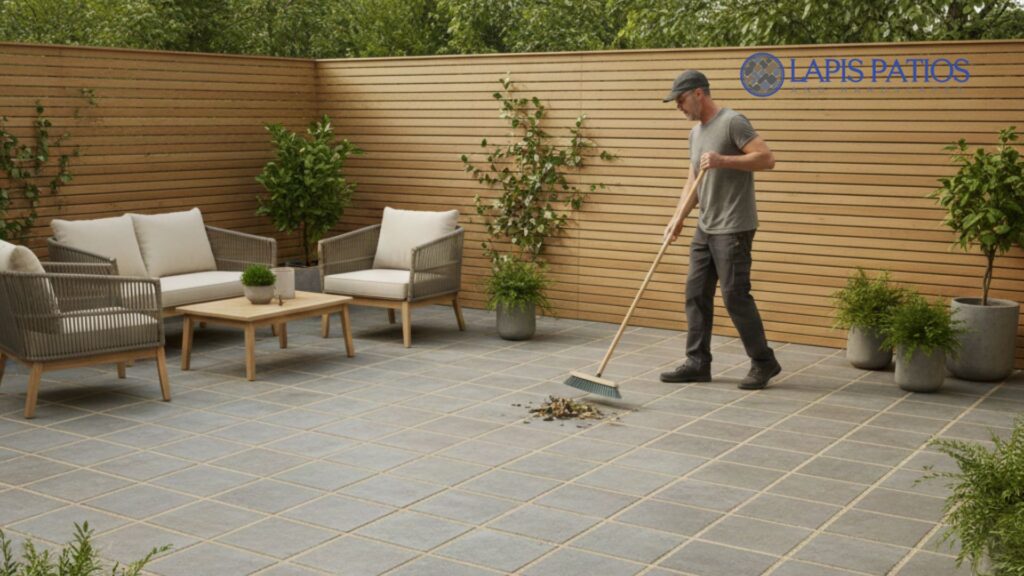
Patio Maintenance doesn’t have to be complicated. Small, consistent care can keep your outdoor space looking good for years.
You don’t need a major renovation to save your patio.[1] What it really takes is regular, thoughtful maintenance that works ahead of the Southern sun and those sudden Charlotte downpours. When you clean, seal, and inspect on a simple schedule, small issues never get the chance to turn expensive.
A modest yearly effort, maybe a weekend or two, can prevent hundreds of dollars in repairs and keep your outdoor space comfortable and usable. The real payoff is peace of mind: your backyard stays a place to relax, not a constant project. Keep reading to learn the steady, realistic rhythm that makes it work.
Key Takeaways
- Fight moisture and weeds at the joints with proper sand and sealing.
- Clean outdoor kitchens weekly to prevent permanent damage from grease and humidity.
- Address small repairs immediately to avoid expensive, large-scale fixes later.
Patio Cleaning Tips for Pavers
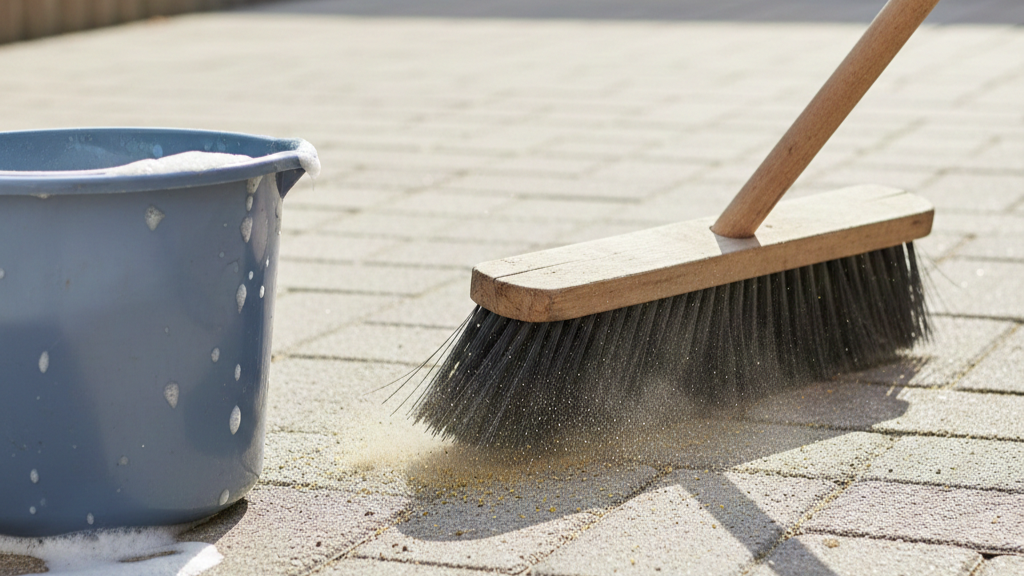
Sweeping is the first and most important defense. It seems too simple to matter, but you’d be surprised. Pollen in spring, leaves in fall, general dust and grit, they all act like sandpaper underfoot. They grind down the sealer and work their way into the joints, making a home for weeds. A stiff push broom once a week is all it takes.
For the deeper clean, you don’t need harsh chemicals. A bucket of warm water with a squirt of mild dish soap works wonders. Scrub the surface and, crucially, the grout lines with a stiff brush. The goal is to break the grip of mildew and algae before it becomes a green stain.
Then just rinse it away with a garden hose. It’s a meditative kind of work, the kind that shows immediate results. Your patio looks brighter, feels cleaner underfoot.
- Weekly sweeping with a push broom
- Quarterly wash with mild soap and a stiff brush
- Immediate rinsing of food or grease spills
Patio Pressure Washing Tips
Credits: System Pavers
There comes a time for more power. Maybe every year or two, depending on the tree cover. Pressure washing can restore color and blast away ingrained dirt, but it’s a tool that demands respect. That high-pressure stream can etch soft stone or blast the sand right out from between your pavers if you’re not careful.
So the key is in the setup and the rhythm:
- Use a wide-angle nozzle, 40 degrees is good, and keep the tip a solid foot away from the surface. You’re washing, not sculpting.
- Pre-treat any obvious oil, rust, or mildew stains with a dedicated patio cleaner, let it sit 10–15 minutes, and don’t let it dry out.
- Protect nearby plants, door thresholds, and siding with plastic, a tarp, or at least a good pre-soak.
Work in manageable sections so you don’t miss spots or create bright “clean stripes” against dull areas. Start from one end of the patio and:
- Use steady, overlapping, sweeping motions.
- Move with the slope so dirty water runs away from what you’ve already cleaned.
- Rinse edges, steps, and corners last so grime doesn’t wash back in.
An electric washer under 3000 PSI is usually perfect. You’ll watch the gray film melt away and the real color of your pavers come back, like the patio exhaling.
The Practical Patio Maintenance Checklist
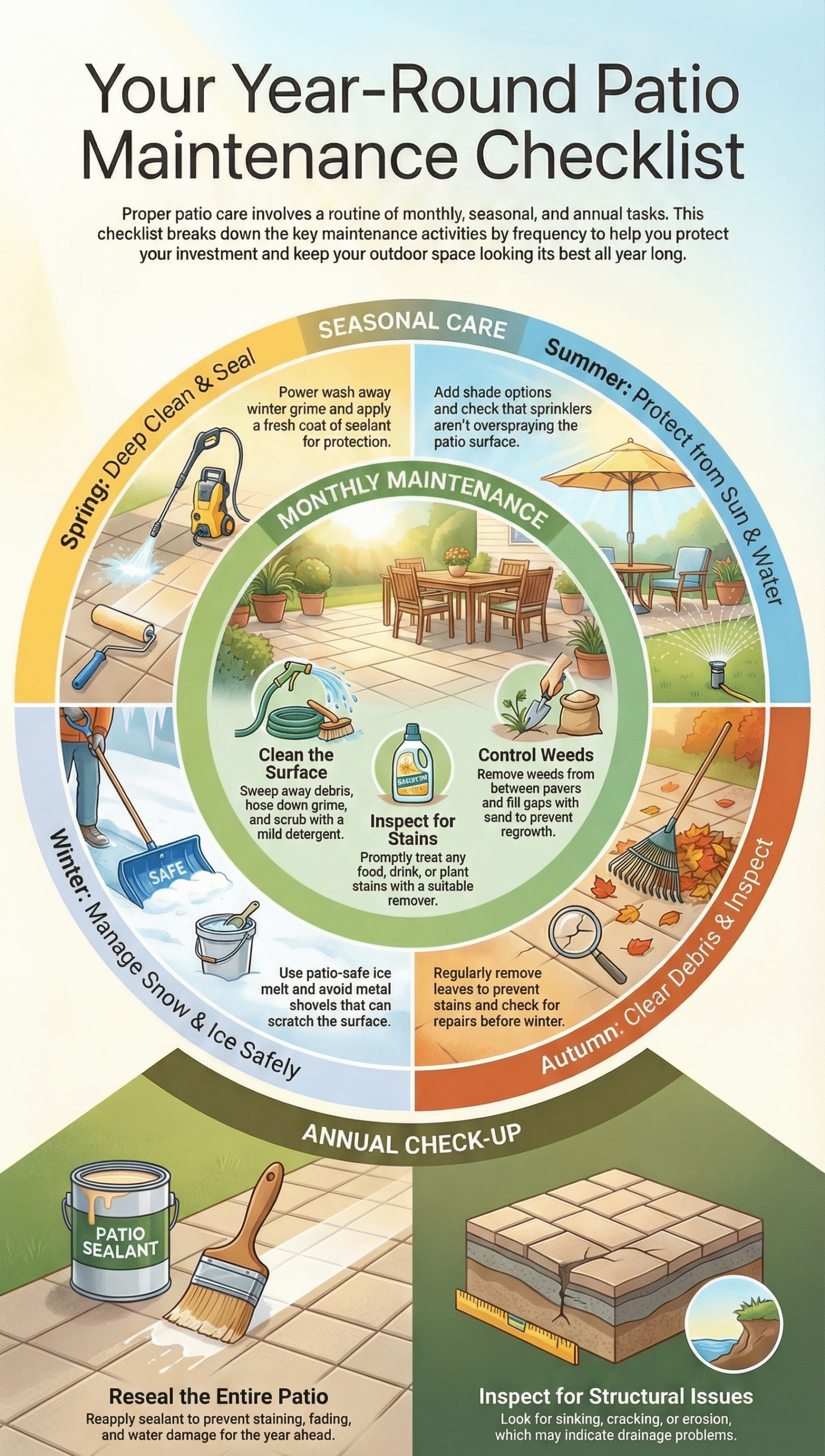
A checklist takes the guesswork out of it. You don’t have to remember what to do when, you just follow the rhythm of the tasks. It breaks a big concept like “maintenance” into small, achievable actions. For a Charlotte patio, the year has a natural cadence. Spring is for recovery from winter, fall is for preparation. In between, you just keep up.
| Frequency | Task | Purpose |
| Weekly | Sweep patio surface | Prevent grit from wearing down sealer and joints |
| Monthly | Rinse spills and debris | Stop stains from setting into pavers |
| Quarterly | Wash with mild soap and stiff brush | Remove algae, mildew, and pollen buildup |
| Biannual (Spring & Fall) | Inspect drainage and joints | Catch pooling water and joint erosion early |
| Annual | Reseal pavers or stone surfaces | Protect against moisture, sun, and staining |
Monthly, give it a good sweep. Every three to four months, do that soap-and-water wash. Twice a year, in spring and fall, take a slow walk around. Look for problems. Check if the water still runs off properly or if it’s starting to pool in a low spot. Peek at the joints between the pavers.
Is the sand still there, or has it washed away? This is preventative medicine. Catching a drainage issue or a sunken slab early is the difference between an afternoon’s fix and a weekend-long excavation project, especially when those problems trace back to how the original patio installation in Charlotte was handled. It’s about observation more than labor.
How to Clean Outdoor Kitchen Appliances
Out here, grease and humidity work slowly, then suddenly. That bright stainless steel can go dull and spotty before you notice. The trick isn’t fancy products, it’s rhythm. You clean a little, often.
After cooking, once the grates have cooled, give them a quick brush before you head inside. Once a week, grab a microfiber cloth and a spray bottle with a 50/50 mix of water and white vinegar, and wipe every steel surface. It really does take about two minutes.
For stone countertops, mild soapy water and a good rinse are enough most days. Sealing them once a year keeps oil, wine, and sauces from leaving permanent reminders of last summer.
A few habits to lock in:
| Area | Cleaning Method | Recommended Frequency |
| Grill grates | Brush after cooling | After each use |
| Stainless steel surfaces | Vinegar and water wipe-down | Weekly |
| Grease tray | Empty and rinse | Monthly |
| Stone countertops | Mild soap and water | Weekly |
| Stone countertops | Resealing | Once per year |
| Exterior cabinets | Hose or damp cloth wipe | Monthly |
- Brush grill grates after each use
- Wipe stainless steel weekly with vinegar and water
- Empty the grease pan monthly
- Seal stone counters once a year
- Rinse or hose down exterior cabinets to clear dust and pollen
The real goal is simple: don’t let grime settle in. Fresh spills wipe away. Old ones fight back.
Patio Repair Tips for Beginners
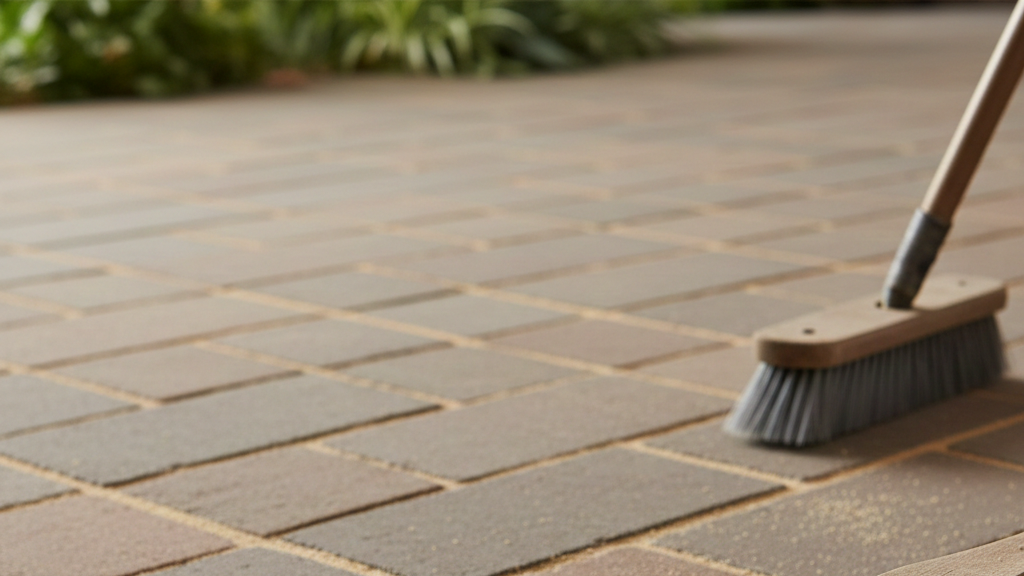
You’ll find a loose paver eventually. Or a hairline crack in a concrete slab. The instinct is to worry, to think you need a professional. Often, you don’t. For a wobbly paver, the fix is usually underneath. Carefully lift it with a flat pry bar.
You’ll likely find the bedding sand has washed away. Add a fresh handful, tamp it level, and set the paver back. Tap it down with a rubber mallet until it sits flush with its neighbors. Sweep more sand into the joints.
For a crack in concrete, clean it out thoroughly and fill it with a flexible concrete crack sealant from any hardware store. It comes in a caulk tube. The key with small repairs is speed. Address them the same weekend you notice them. Left alone, water gets in, freezes, and turns a crack into a crater.
Your tools are basic: a pry bar, a mallet, a bag of sand, a stiff brush. The knowledge is just understanding that these materials move and settle. You’re just helping them settle back into place.
How to Prevent Weeds on Patios
Weeds are a message. They’re telling you the gaps between your pavers [2] have turned comfortable, like a spare room no one’s watching. Your job is to make that space unwelcome again.
The first defense is simple: sweeping. When you sweep, you’re not just tidying, you’re clearing seeds before they settle and sprout. For weeds that already took hold, horticultural vinegar on a sunny day will burn them back fast.
But the long game lives in the joints.
- Use polymeric sand instead of regular sand
- Sweep it into dry joints, then lightly mist with water
- Let it harden into a firm, flexible barrier
That hardened sand locks the pavers and leaves almost no room for roots. If weeds are out of control, you can:
- Remove the old joint sand (a pressure washer on low works)
- Let everything dry
- Refill with polymeric sand
It’s a day of work that buys you years of quiet. Under new patios, a good weed barrier fabric adds one more “do not enter” sign under the surface. All together, the system tells weeds there’s no vacancy here.
FAQ
How often should patio pavers cleaning happen in a humid, tropical climate?
Patio pavers cleaning works best with a clear patio sweeping schedule. Do a monthly light sweep for pollen debris sweep and bird dropping clean. Add a quarterly hose rinse for mold prevention rinse. Plan a bi-annual deep clean using outdoor surface scrub, mild soap mix, and patio detergent safe.
What is a safe way to pressure wash the patio without damaging stone or joints?
Pressure washing patio should start with a pressure washer PSI guide and the correct nozzle angle patio. Use an electric gas washer only if you can control flow rate gallons. Work in a sectioned pressure wash for streak-free washing.
Apply patio pre-treatment stains first. Protect polymeric sand joints and plan a joint sand refill later. Follow etching prevention stone steps and use patio detergent safe or organic cleaner safe.
How can beginners handle small patio repairs before calling a pro?
Patio repair beginners should begin with a patio maintenance checklist and patio inspection damage. For crack repair pavers, use concrete crack compound. Patio slab leveling can include a pry bar slab lift for a sunken slab lift.
Refill joints with sand-cement mix joints or polymeric sand joints. Keep a beginner tool list with a tamper compaction tool, level check patio, and joint compaction sweep.
What helps stop weeds, moss, and algae from coming back?
Weed prevention patios works best when steps are combined. Use polymeric barrier weeds and weed barrier fabric. Start with hand-pull weed roots and patio seed removal. Non-toxic weed control like vinegar weed killer or salt solution cracks can help.
Add moss control patio and algae growth block with mildew removal pavers. Finish with annual paver sealing and a breathable sealer choice for a sealant protection layer.
How do I clean and protect an outdoor kitchen on the patio?
Outdoor kitchen cleaning keeps cooking areas safe and clean. Do a stainless steel wipe down, grill grate cleaning, and grease pan maintenance. Rinse surfaces with kitchen appliance hose down and finish with cabinet wipe seals.
Check burner flame check and apply hinge lubrication outdoors. Use stone counter sealant and counter polish shine. In humid area rust conditions, focus on rust prevention outdoor and regular patio furniture wash.
The Patio Maintenance Mindset
In the end, patio maintenance isn’t about chemicals or checklists. It’s a shift in perspective. Your patio isn’t static; it breathes, settles, and gets dirty. The work stays simple: a weekly sweep, a seasonal check, an immediate fix.
That consistency builds longevity and avoids costly surprises. If you want guidance that lasts, get help with Lapis Patio. Start this weekend. Grab the broom. Take a slow walk.
References
- https://en.wikipedia.org/wiki/Patio
- https://en.wikipedia.org/wiki/Pavers_(flooring)
Related Articles
- https://lapispatios.com/articles/patio-cleaning-tips-for-pavers/
- https://lapispatios.com/articles/patio-pressure-washing-tips/
- https://lapispatios.com/articles/patio-installation-charlotte/
- https://lapispatios.com/articles/patio-maintenance-checklist/
- https://lapispatios.com/articles/how-to-clean-outdoor-kitchen-appliances/
- https://lapispatios.com/articles/patio-repair-tips-for-beginners/
- https://lapispatios.com/articles/how-to-prevent-weeds-on-patios/